


Casting of cast iron components for agricultural machinery
Casting of cast iron components for the agricultural sector: technology and benefits
The manufacture of cast iron components is a fundamental stage in the production of reliable parts for modern machinery. Thanks to its high mechanical properties, this alloy ensures a long service life for components that are subjected to extreme loads during field operations. Under the conditions of intensive use in the agricultural sector, it is the quality of the casting that determines whether the equipment will withstand the peak loads of the season.
The advantages of using cast iron in mechanical engineering
The use of this material in agricultural production offers several key advantages that make it indispensable:
- Vibration absorption: The material’s unique graphite structure effectively dampens vibrations and impacts whilst the machinery is in operation, significantly reducing wear on adjacent parts and assemblies.
- High wear resistance: Metal is ideal for components that are constantly exposed to abrasive environments, dust, dirt and moisture (for example, parts of the running gear or soil-working mechanisms).
- Economic viability: Compared with steel or other complex alloys, cast iron has a lower production cost. This makes it possible to reduce the cost of machine maintenance without compromising on strength.
Which parts for machinery are manufactured using the casting process?
Cast iron casting covers a wide range of components for tractors, combine harvesters, seed drills and ploughs. The most common items produced using this method are:
- Housings for gearboxes, gear units and pumps;
- Brake drums and discs;
- Gears, pulleys and sprockets;
- Brackets, hubs and attachments.
Grey cast iron (GC) is usually used in production for basic housing components, or high-strength cast iron (HSI) with spheroidal graphite if the component is required to withstand critical pressures and impacts.
How the manufacturing process works
The production cycle in a modern foundry comprises several consecutive stages:
- Design and model creation: Development of a precise 3D model of the future component and production of a model set.
- Preparation of special forms: The formation of impressions in sandy-clay or cold-setting (hTS) mixtures.
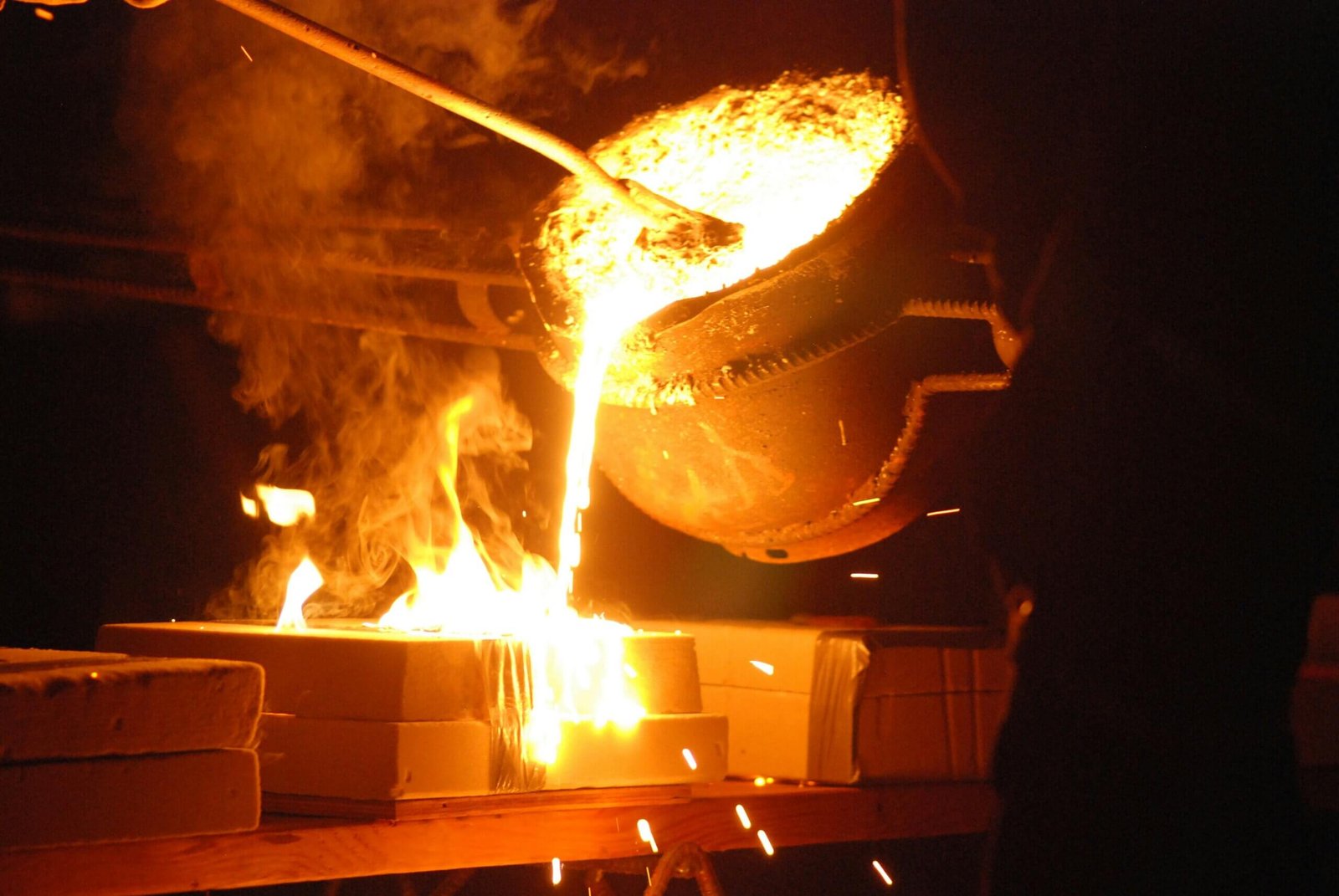
- Metal casting: Melting cast iron in induction furnaces to a precise temperature and pouring the molten metal into prepared moulds.
- Controlled cooling: The metal must cool gradually to prevent hidden voids or microcracks from forming inside it.
Once the castings have set, they undergo final machining on CNC machines to achieve perfect geometric dimensions.
If you’re looking for reliable parts to upgrade your fleet or carry out urgent repairs, you can View the catalogue of cast iron parts, which are manufactured to the strictest quality standards. As a result, farms receive reliable equipment capable of operating without disruption during the peak season, which has a direct impact on the productivity and profitability of the entire agribusiness.